Rising power bills, volatile diesel prices and unreliable supply are pushing regional businesses, including farming operations, to look for better ways to meet their energy needs.
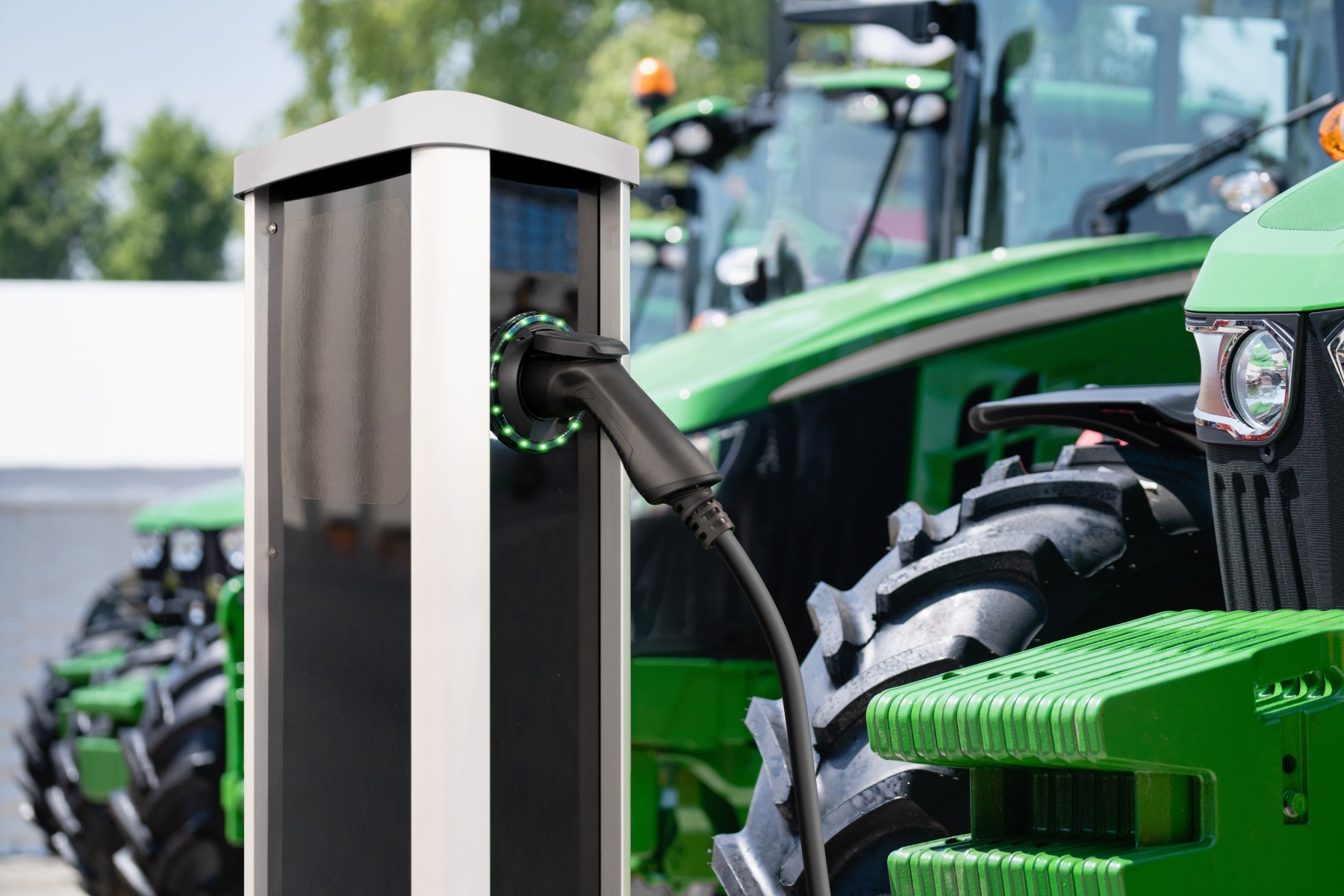
A new practical guide from RE-Alliance will help farmers and other rural and regional small-business owners assess electrification options including solar, batteries, electric machinery, heating, stand-alone power systems, microgrids and energy trading.
Bundaberg Regional Irrigators Group (BRIG) reports that local farms across roughly 36,000 hectares rely on an estimated 1,100 irrigation pumps, the majority of which are powered by grid-supplied electricity.
Report co-author RE-Alliance Board Director Karin Stark said the guide will help regional business owners make informed energy choices.
“Across regional Australia, farms and small businesses are already finding ways to cut energy costs, reduce their exposure to diesel prices and gain more control over their power supply,” Mr. Stark said.
“But there is no single solution that will work for every business or every region — for some businesses, the best first step might be solar or an electric pump — for others, it could be battery storage, electric machinery or a stand-alone power system.
“This guide cuts through the complexity and explains the main options in plain English, where they work best, their benefits and limitations and the questions people should ask before investing.
“Australian regional businesses have always moved with the times and now the times are electric.”
The guide comes as the Federal Government prepares to expand the Small-scale Renewable Energy Scheme from 100 kilowatts to 1 megawatt from October (2026), which is expected to reduce the upfront cost of eligible mid-sized solar installations by around 20 per cent.